
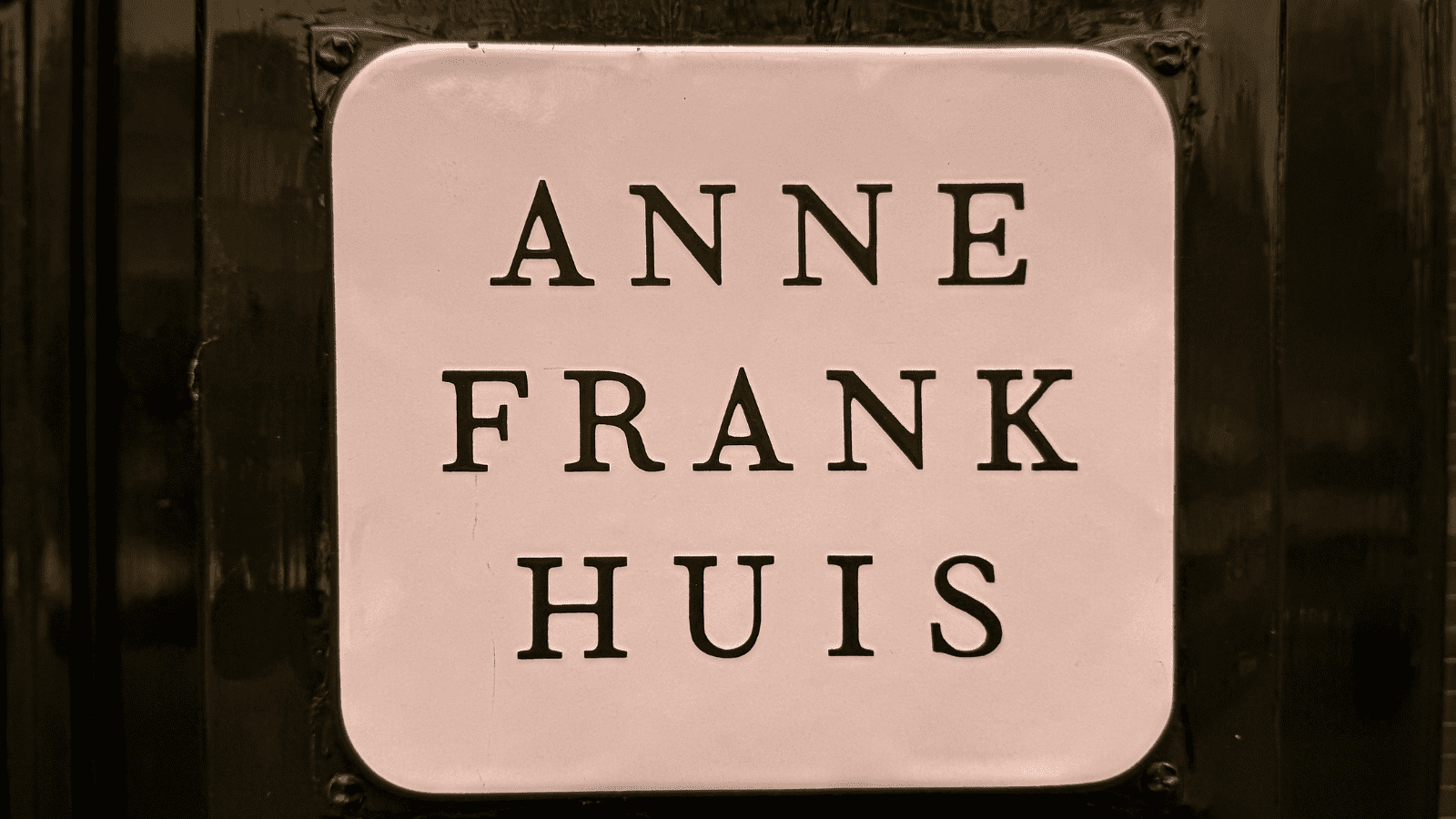
The famous memoirs of World War 2 activist Anne Frank appear to be playing their part in expanding the Dutch Supreme Court’s application of copyright law in relation to AI usage, in the case of Anne Frank, C-778/24. The Court was directed to consider whether the publication of the text contained within the memoirs as depicted by AI would be a communication to the public as per the InfoSoc Directive, which provides that an act of communication to the public must be targeted at a member state of the EU as a requirement for copyright infringement. As a result, the Court has referred to the Court of Justice of the European Union (CJEU) to shed light on how copyright protection is attained in the AI age.
In considering the InfoSoc Directive and the notion that a communication to the public via the internet would constitute a communication targeted to a member state if localised, the CJEU has gradually made decisions to steer the attribution of EU copyright protection to include internet communications, which are inherently without borders but do still apply territorially given the internet’s global use.
The ultimate implication of the CJEU’s decisions would be that a copyright holder in the EU would no longer be required to demonstrate that they have communicated their works to the public in a specific territory in order to claim copyright protection in that country. This would provide rightsholders with greater, and broader, protection. This may have a knock-on effect on AI model providers, who would be at greater risk of copyright infringement due to the ease of access to copyright protection for rightsholders. While purely speculative at this stage, it shall be interesting to see how the CJEU gauge weighing up copyright protection between EU member states, and how AI providers may react.
If you have any questions on the above, or if you need any advice or support in respect of your own Intellectual Property, please do not hesitate to contact the team at McDaniels Law on 0191 281 4000 or legal@mcdanielslaw.com.